In Cambodia, Holt is partnering with the organization Plants-Earth-Life to transform nutrition and feeding for children, beginning where the need — and opportunity for impact — is greatest: in orphanages.
In Phnom Penh, the urban heart and capital of Cambodia, Holt sponsors and donors support the National Center for Infants and Children (NCIC), a residential care center home to around 180 children and young adults. Most of these residents are infants or children with severe disabilities, such as cerebral palsy, Down syndrome, blindness or congenital conditions. Many have arrived at the orphanage after prenatal malnutrition, neglect, drug exposure or trauma. And many have no families to return to and will live in the orphanage for their entire lives.

Several years ago, Holt’s team in Cambodia began working alongside the government of Cambodia to deinstitutionalize many of the children growing up in orphanages — moving them from institutions likes the National Center for Infants and Children into more nurturing family environments. Holt’s team in Cambodia specifically helped develop three alternative care models: foster care, family reunification and, for the first time, a legal, ethical system of domestic adoption. In the years since, many children have been able to either reunite with their birth families, stay with loving foster families or join loving, permanent adoptive families in Cambodia.
But for the children who remain behind in orphanages, Holt is committed to ensuring the best possible care. Often, this starts with addressing basic health and nutrition.
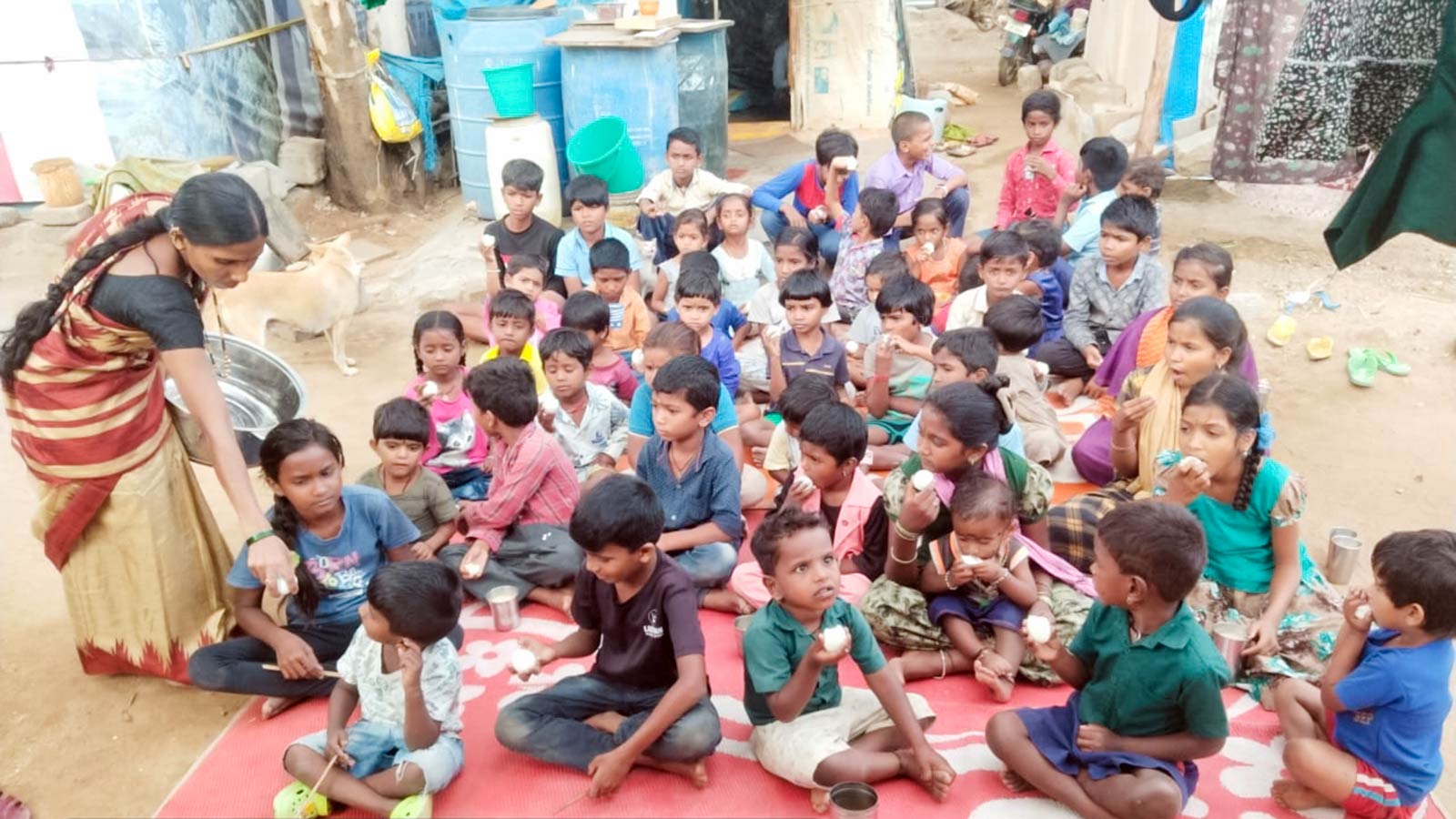
Across Cambodia and beyond, malnutrition among children continues to be a massive concern – especially among infants and children with disabilities. Globally, in Holt’s work, ~1 in 4 children served has a disability or chronic medical condition and a third experience some form of malnutrition.
In many countries, orphanages like NCIC often struggle to provide sufficient foods and formula for children in care, especially nutritious foods that aren’t processed or high in sugar. This reflects an overall global trend of diets drifting away from traditional, nutrient-dense foods toward ultra-processed, low-fiber, high-sugar products. These foods are cheaper and last longer because of preservatives — making them more affordable for families living in poverty and low-resourced institutions. But when children regularly eat ultra-processed foods, they miss out on vital nutrients and are at greater risk of malnutrition. Children with disabilities are also at a significantly higher risk of malnutrition because their caregivers simply don’t have the training to feed them properly. Children are often fed lying down, which can cause them to choke or aspirate on their food.
As a result, “children with feeding difficulties often resist eating, or caregivers offer less nutritious foods they believe are safer to swallow,” explains Emily DeLacey, Holt’s director of nutrition & health services. “The result is a vicious cycle — disability leads to malnutrition, and malnutrition deepens disability.”
That’s where Holt’s globally proven child nutrition model comes in. Since it began in 2014, Holt’s child nutrition program has reached over 55,000 children across eight countries with nutrition and feeding interventions uniquely designed to meet their needs.
Now, through a new partnership with and funding from the organization Plants-Earth-Life (PEL), Holt is for the first time scaling the Child Nutrition Program to Cambodia — beginning where the need is need is greatest, among children in orphanages.
What Holt’s Partnership With PEL Means for Children
At Holt International, we strive to ensure every child can grow healthy and strong in a nurturing family or care environment. Quality nutrition, safe feeding and loving care is essential for children, it is also essential for dignity, development and the possibility of family life. When children are well-nourished, they gain strength, their health stabilizes, and their chances of placement into a loving family rise. But as children and communities around the world eat more ultra-processed, low-fiber, high-sugar products, they face what the World Health Organization calls the triple burden of malnutrition: undernutrition, overnutrition and micronutrient deficiencies (wasting, stunting, underweight, micronutrient deficiencies, overweight).
When communities are faced with the triple burden of malnutrition, we see a rise in preventable, nutrition-related, non-communicable diseases like diabetes, obesity, heart disease, dementia and some cancers.

These health risks are even greater among children and families in the communities Holt serves, including highly vulnerable children in institution-based care, foster care, daycare centers for children with disabilities, and low-income communities.
In Cambodia, Holt’s collaboration with PEL tackles the triple burden of malnutrition — focusing on early intervention for infants and young children, especially those with disabilities — by delivering nutritious diets, with safe feeding practices strengthened through caregiver training.
Holt’s Child Nutrition Program places an emphasis on early intervention — reaching infants and children under 5 years of age, which is a critical window for lifelong growth and brain development.
Safe feeding practices are a priority. This includes proper positioning, food texture-modification, pacing and responsive interactive mealtimes — especially for children with feeding difficulties who may be choking or aspirating food into their lungs. Caregivers are not only trained in how to feed, but also how to engage with children and have safe mealtimes, with dignity and joy.
Hidden hunger, or the consequences of a poor-quality diet that aren’t visible, is given special attention: diversifying meals so children receive micronutrients, antioxidants and bioactive compounds critical for brain and body development.
Holt’s collaboration with PEL also focuses on the principles of the Planetary Health Diet, emphasizing colorful fruits and vegetables, legumes, nuts and whole grains and sustainable food systems that benefit both communities and the planet. With the support of Holt sponsors and donors, children in orphanage care are receiving more nutritious foods — helping them overcome malnutrition and reach their fullest potential.
Implementing Holt’s Child Nutrition Program at the National Center for Infants and Children is just the start.
By training caregivers, improving diets and introducing monitoring systems, Holt and PEL aim to build a scalable model in Cambodia, starting institutionally and expanding into the community and rural settings.

How Holt’s Child Nutrition Program Works:
- Training of Trainers (ToT): Local caregiver-champions receive intensive training in feeding, hygiene, nutrition screening, growth-monitoring and safe positioning. Those champions go on to train others — building a self-sustaining network with exponential opportunities for growth.
- Equipping and supporting partners: Manuals, growth charts, measurement tools, anemia/micronutrient assessment kits, and access to an electronic health records system, training and ongoing support.
- Routine health screening & monitoring: Height, weight, mid-upper arm circumference, head circumference, physical assessment and hemoglobin, leading to early identification of malnutrition and targeted intervention.
- Feeding, positioning & mealtime practices: Using Holt International’s Feeding and Positioning Manual, caregivers learn upright feeding posture, correct pacing, age-appropriate textures, developmental milestones and safe feeding, particularly for children with disabilities.
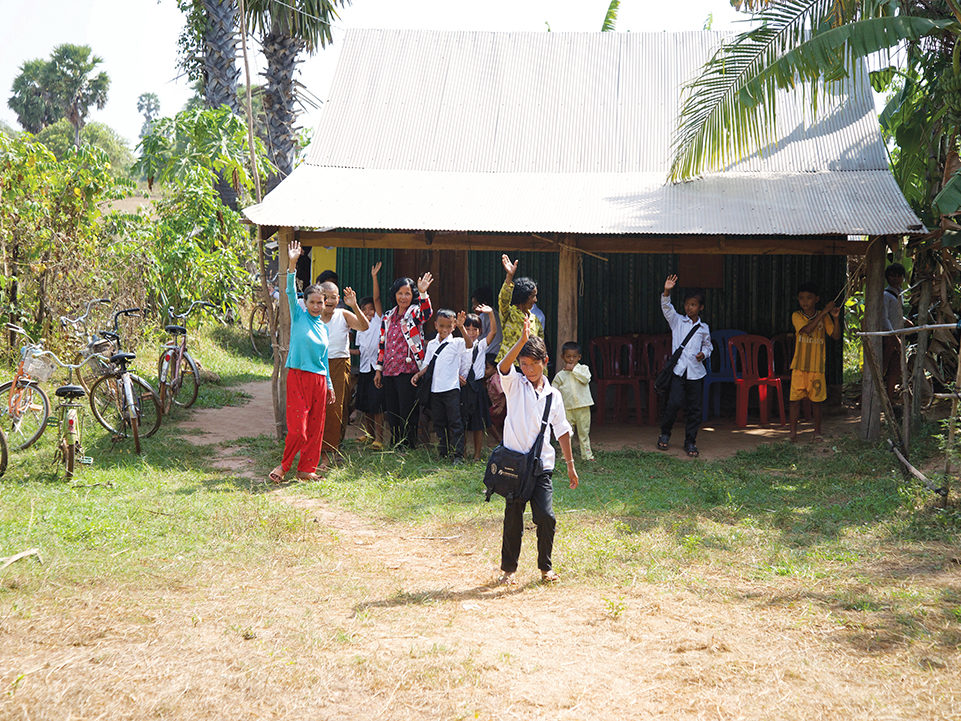
- Community integration & outreach: The Child Nutrition Program model is designed to adapt to daycare, foster care, family settings and vulnerable communities. The Cambodia expansion aims to reach rural, food-insecure communities in 2026.
A Shared Vision for Every Child
Holt International brings decades of experience serving orphans and children with disabilities and medical needs worldwide. Plants Earth Life brings nutrition science and advocacy via the Planetary Health Diet. Together they’re merging compassion and evidence to improve child nutrition in Cambodia — starting with the most vulnerable and building toward a healthier, more sustainable future for every child.
A Call to Action
While global reform moves slowly, children cannot wait. Every day without proper nutrition and every meal that puts a child’s health at risk takes away their chance at life.
By joining Food Every Day — Holt’s community of monthly donors dedicated to ending child hunger — you will be investing in Holt’s Child Nutrition Program and its caregiver training, safe feeding practices and nutrient-rich diets guided by Planetary Health principles. You can help to ensure that every child — whether living in an institution or with a family — receives the nourishment needed not just to survive, but to grow and thrive.

Every trained and empowered caregiver, every nutritious meal prepared and served, and every safe and enjoyable mealtime for a child in care is a step toward the fulfilling life they deserve.
You Can Help a Hungry Child
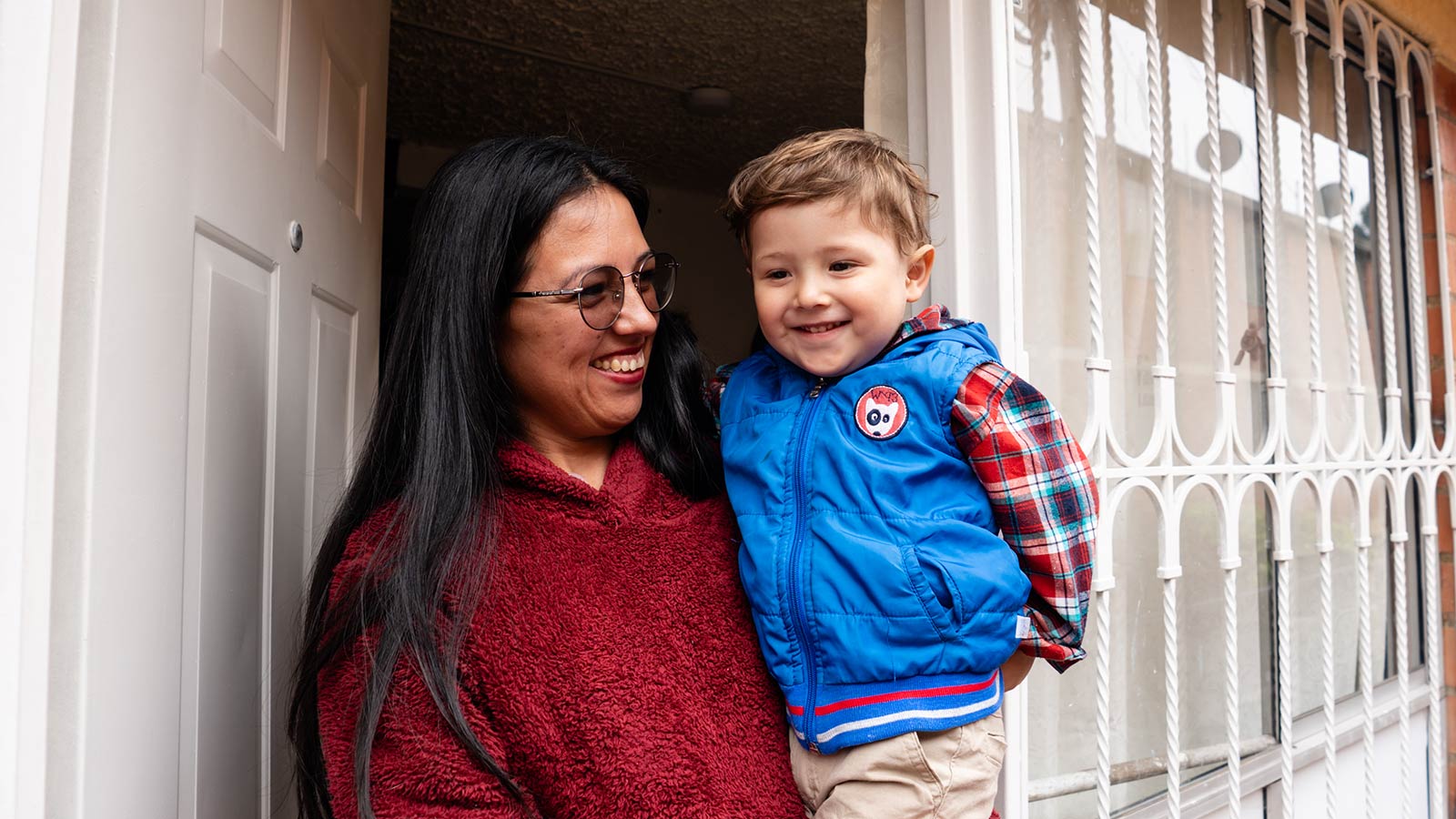
When you give Food Every Day, you not only help a child learn, play and grow — you help keep their family together.